





From March 23 to April 21, 2026, Nurmukhambetova A., Research Associate at LLP Scientific and Production Enterprise “Antigen” and PhD doctoral student, completed a scientific internship at the School of Pharmacy, Bandung Institute of Technology (Sekolah Farmasi, Institut Teknologi Bandung, ITB, Indonesia).
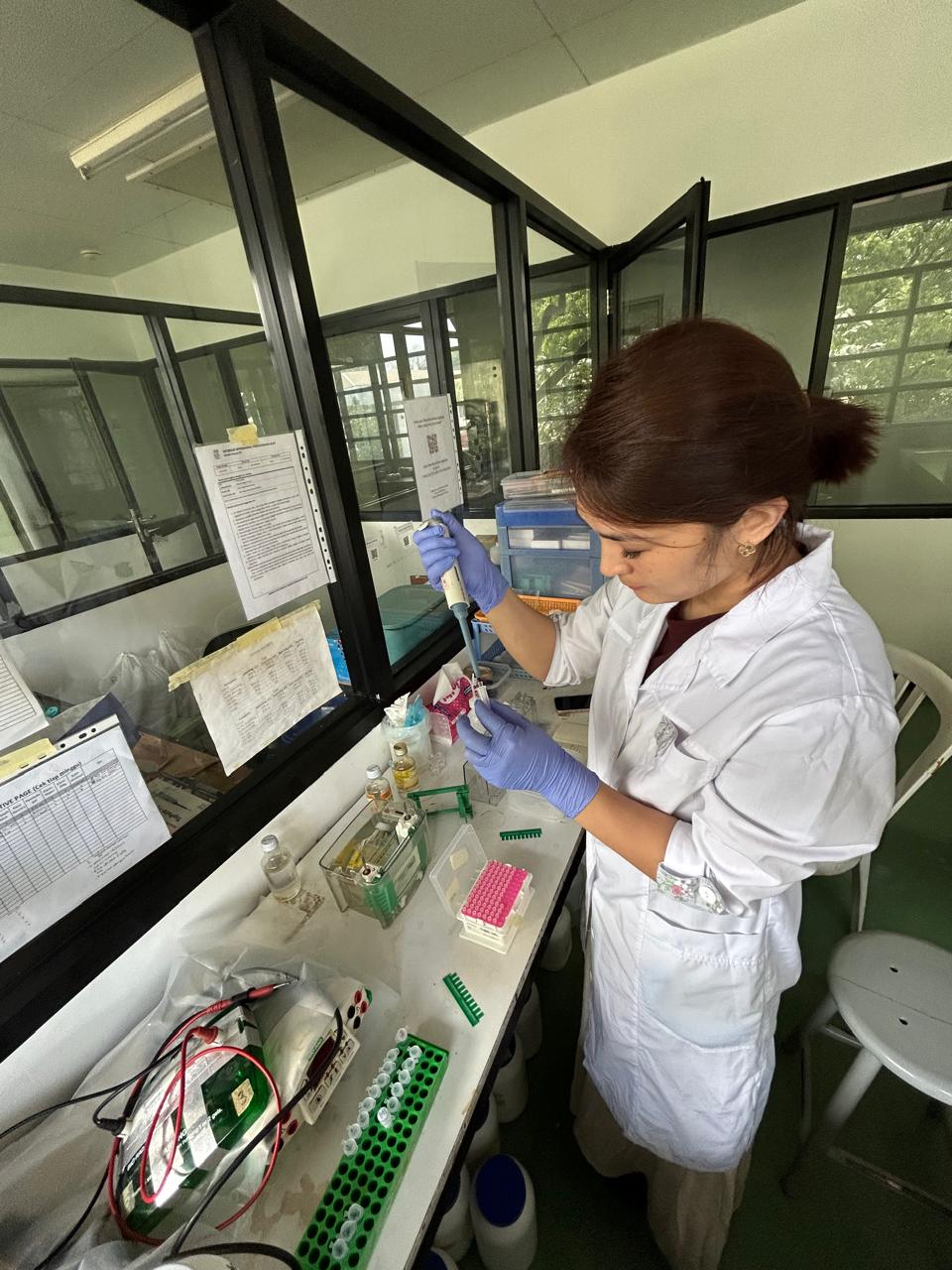
As part of the dissertation research, the main stages of anti-rabies immunoglobulin production were studied, including the preparation of immune plasma, isolation and purification of the immunoglobulin fraction, as well as quality control of the final substance. Particular attention was paid to the assessment of safety, specific activity, sterility, purity, and pharmacological efficacy of anti-rabies immunoglobulin as an immunobiological preparation intended for emergency rabies prophylaxis.
In the course of the research, quality control methods for anti-rabies immunoglobulin were studied at the stages of obtaining the substance and the finished product. The parameters of identity, clarity, protein content, purity of the immunoglobulin fraction, sterility, apyrogenicity, safety, specific activity, and stability were considered. The obtained data provide a basis for substantiating the requirements for the standardization of anti-rabies immunoglobulin and for assessing its pharmacological efficacy.
The obtained results form a scientific basis for improving domestic technologies for the production, purification, standardization, and quality control of anti-rabies immunoglobulin.
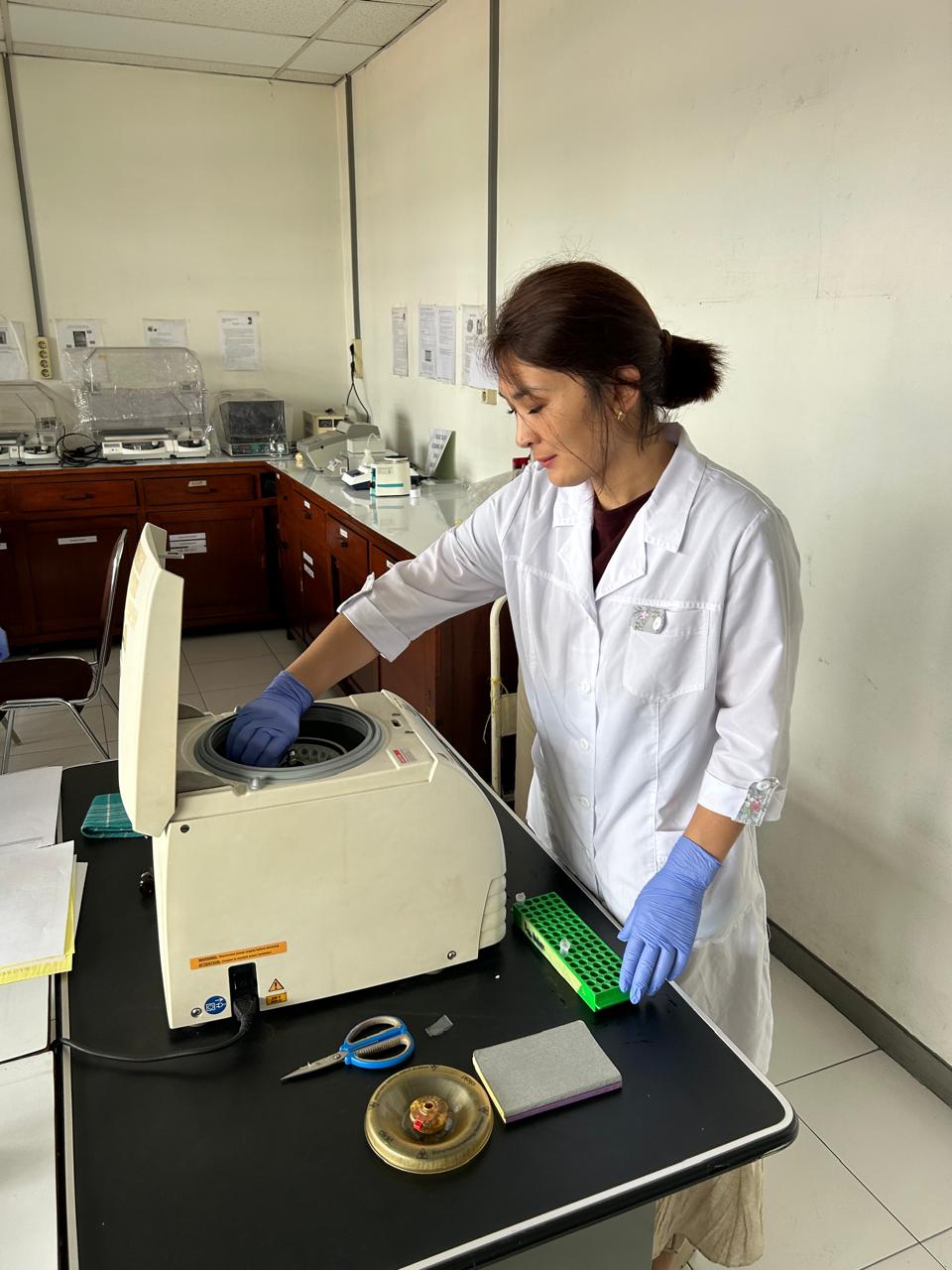
Main Areas of the Internship:
- 1. Mastering the ELISA method for assessing the specific activity of anti-rabies antibodies and determining the level of immune response to the rabies virus.
- 2. Performing electrophoresis and analysis of the protein composition of anti-rabies immunoglobulin to assess its purity, molecular profile, and the presence of major protein fractions.
- 3. Applying the Bradford method for the quantitative determination of total protein in anti-rabies immunoglobulin samples at different stages of production and purification.
- 4. Conducting a comparative evaluation of ELISA, electrophoresis, and Bradford assay results to characterize the quality, stability, and standardization of anti-rabies immunoglobulin.
- 5. Analyzing the obtained experimental data to substantiate optimal approaches to quality control and assessment of the pharmacological efficacy of anti-rabies immunoglobulin.